Monday, 30 April 2018

Launching a Stronger Business with Chelsea Miller Knives and Squarespace

The following post is brought to you by Squarespace. Our partners are hand-picked by the Design Milk team because they represent the best in design.
Launching a Stronger Business with Chelsea Miller Knives and Squarespace

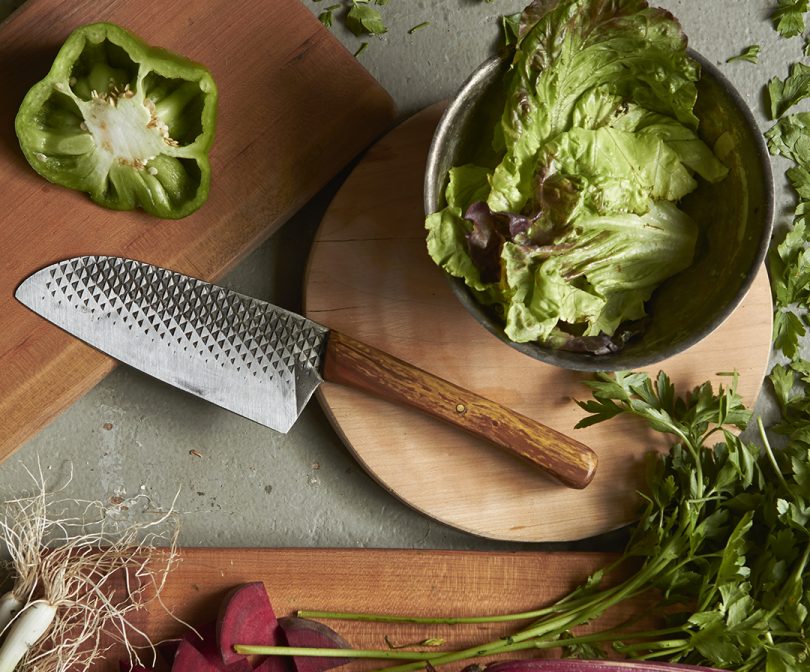
Each Chelsea Miller knife is an invitation to wonder about the natural and industrial world. To move slowly in the kitchen with an intent to prepare thoughtful food. My process is focused on exploration, imperfection and the desire to make things more beautiful than they have to be.
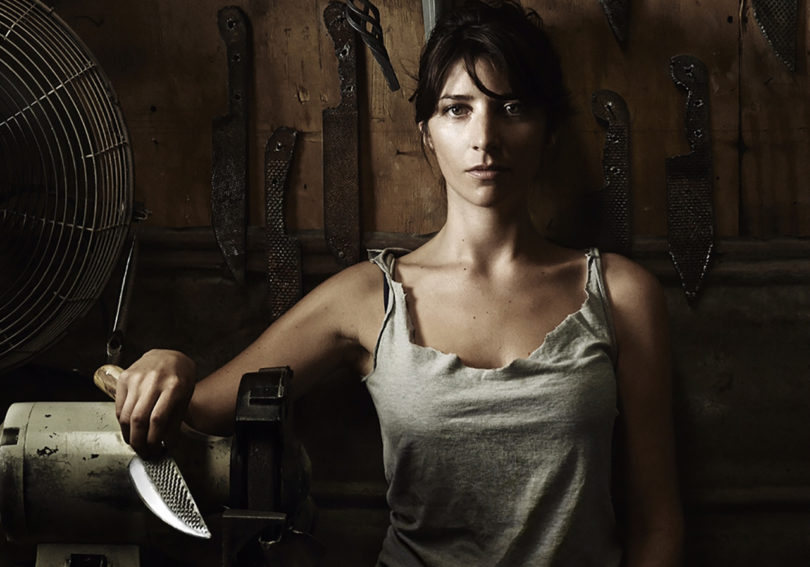
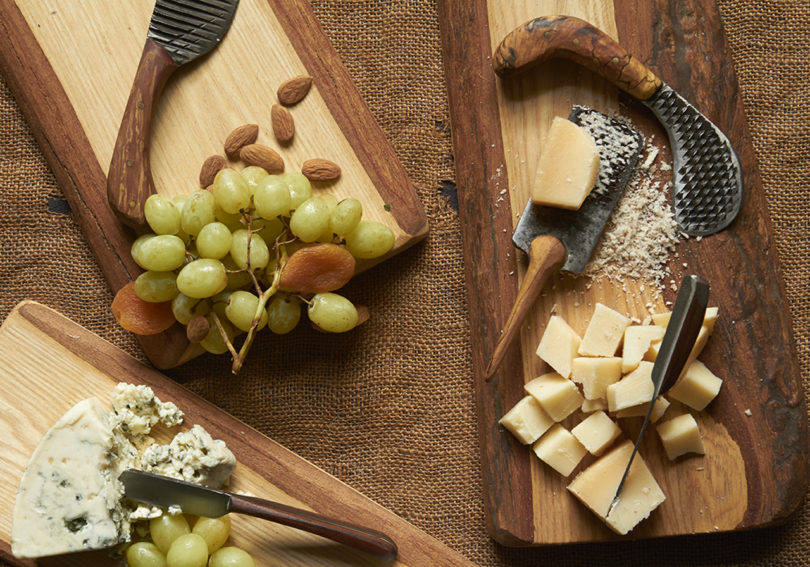
Knives are a kitchen tool that the majority of people most likely take for granted, but Chelsea Miller unearthed her own interest for this necessity in the very process of hand-making them. Her spin on traditional cheese knives was the first piece of what was to become Chelsea Miller Knives that she released to the public, and finding that the response was one of curiosity and encouragement organically led into the launch of her business on Squarespace. They’ve not only allowed Chelsea to showcase her authenticity and originality in a very genuine way but also responded to her site’s needs as the shop has successfully grown since launching.
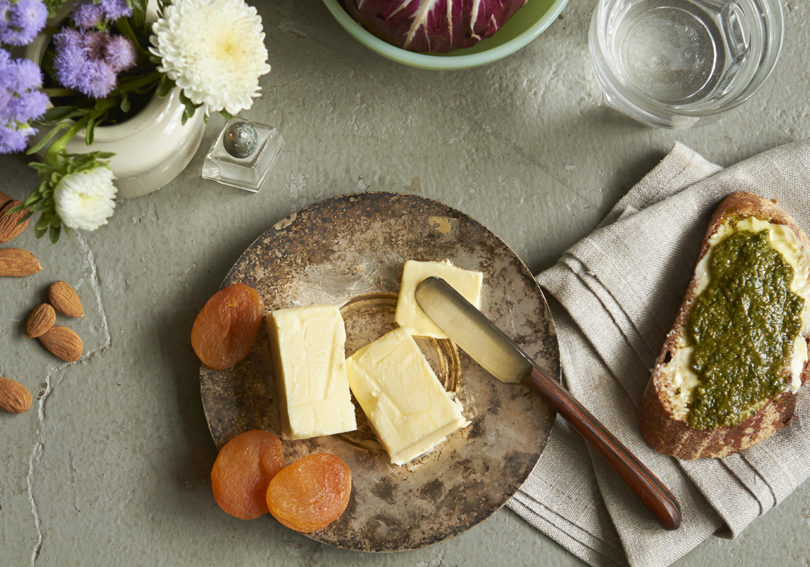
A large part of creating a business is the excitement and passion behind what you’re about to put out into the world and share with others. And as in other business situations, first impressions count when planning your launch. Chelsea says, “I have always felt first impressions should be intimate. I chose to expose my imperfections. I was not an expert and I wanted to show my audience there is artistry in discovery.”

Chelsea’s approach of being so open to her potential customers and revealing lessons as they were learned, continue to help her business to rise above others who may have similar offerings. By drawing on her own life – and not the influence of other makers’ work or people’s expectations – she manages to stand out from the rest with her originality.
Every minute of your time has value attached to it, and that becomes even more apparent when taking on something as big and time-consuming as a business launch. In other words, how much is too much to take on? Knowing when you’ve stepped outside the set of skills that you do best is an important lesson better learned sooner than later. For Chelsea, “I knew nothing about business when I started, so I thought it was important to do everything myself and learn about the process from start to finish. As my business grew, I became aware of tasks that were best assigned to someone other than myself to increase workflow.”

Launching a business solo can best be summed up as daunting. Pulling in outside perspectives and knowing when to reach out and ask for extra help can make a big difference not only in your profits but in your sanity. According to Chelsea, “Asking a lot of questions makes all the difference. Whether it’s my dad, my boyfriend, a fellow maker, or a celebrity chef, anyone with a perspective other than my own is able to help me see things in a clearer light. I have outsourced manual labor occasionally, product photography, social media content, and web design. Whenever I feel like I’m stuck performing a task and am unable to tell my story, that’s when I know I need more help.” Surrounding yourself with a solid community that’s full of support is invaluable, and the network created by reaching out to peers can be a bottomless well of knowledge you’ll tap into often.

Chelsea’s best piece of advice? “Thinking big is important, but so is keeping it small. If you can think big and grow at your own pace, you’ll be fine.” Squarespace also plays a pivotal behind the scenes role in Chelsea Miller Knives. “With Squarespace’s help, I am able to tell my story authentically to my customers on a variety of media platforms. Videos of my production process, articles and interviews about my life, product photography and simple customizable design. They have always been responsive to my growing needs. Working with Squarespace is like having a really, really knowledgeable friend who knows everything you don’t about the internet. I’m really happy we’re besties!”

In short, don’t be afraid to reach out and ask for help when you’ve run out of your own bandwidth or knowledge of a specific topic. You want to create the best first impression for potential customers as well as stand out, so make sure to plan a well thought out launch. Squarespace can help you get where you need to go with their site templates that are versatile and easy to edit, taking one more worry off of your to-do list and giving you the time to focus on the tasks you excel at!

Ready to get to work on that branding? Take the first step with a Squarespace website. Use coupon code DESIGNMILK at checkout to get 10% off your first purchase.


from Design MilkDesign Milk https://design-milk.com/launching-stronger-business-chelsea-miller-knives-squarespace/

New In Store – Home by Monsoon Channel Some Boho Vibes

The new collections at Home by Monsoon will certainly appeal to anyone who yearns for a bit of bohemian glamour in their home. I’ve just made a virtual shopping list of globally inspired furniture, sumptuous cushions and throws, and artisan-like handcrafts. Soft furnishings are crafted from natural textures with luxurious embroideries and decorative details. Hello mirrored embellishments, sequins and pom poms! Not to mention the jewel-like colours. There’s lots of hand-finished wooden furniture, clashing their rustic aesthetic with a mix of modern metallics. A smattering of marble and even agate. I feel like a kid in a sweetshop.

Boho Vibes at Home by Monsoon

Neon Pink Fringed Knit Throw, £60. Bright Stitch Door Stop, £25. Gold Leaf Trinket Tray, £18. Wooden Elephant, £18. Jade Tealight Holder, £7.

Boho Vibes at Home by Monsoon

Carved Wood 5 Drawer Chest of Drawers, £1,150. Green Marble Side Table, £80. Large Gold Glass Lantern, £25. Medium Black Sequin Basket, £28.

Boho Vibes at Home by Monsoon

Cushions from left to right: Hummingbird Cushion, £30. Coral Pom Pom Embroidered Cushion, £35. Bright Stitch Striped Cushion, £35. Riads Bright Cushion, £35. Leather Pouffe, £150.

Boho Vibes at Home by Monsoon

Rose Quartz Coaster, £12. Gold Leaf Trinket Tray, £18. Wooden Elephant, £18.

Boho Vibes at Home by Monsoon

Agate Bookends, £60. Mint Suzani Cushion, £35. Marble Cushion, £30. Bright Jacquard Cushion, £35.

All from Home by Monsoon


You Might Also Like

A SUNROOM AND SNUG WITH A BOHO VIBE – THE FINAL REVEAL

A ROMANTIC BOHO-CHIC COTTAGE IN CORNWALL

INTRODUCING LENE BJERRE – INSPIRING DANISH DESIGN WITH A BEACHY BOHO VIBE

The post New In Store – Home by Monsoon Channel Some Boho Vibes appeared first on Dear Designer.


from Dear Designer https://deardesigner.co.uk/new-in-store-home-by-monsoon-channel-some-boho-vibes/

Friday, 27 April 2018

An Interview With Greg Warner of Walker Warner Architects

An Interview With Greg Warner of Walker Warner Architects

Writer Eckhart Tolle once professed, “Memories are thoughts that arise. They’re not realities“, an observation intended to demystify the stifling hold a past may have in shaping the future. Yet, in reviewing the breadth of Hawaii-born architect Greg Warner’s work, one recognizes the possibilities of utilizing memory – whether personal, collective, or historical – positively, as a tool transporting solutions awaiting rediscovery. In a profession often demanding the erasure of the past, Walker’s designs across Hawaii express a profound respect for the pre-existing in relation to the imagined future, a contextual designer whose utilization of remembrance of land, people, architecture, and lifestyle has resulted in some of the finest modern residences across the Hawaiian islands.

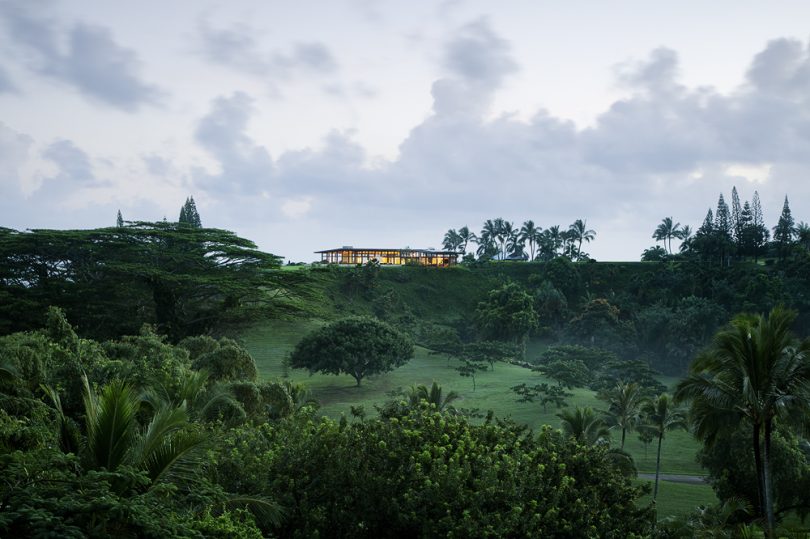
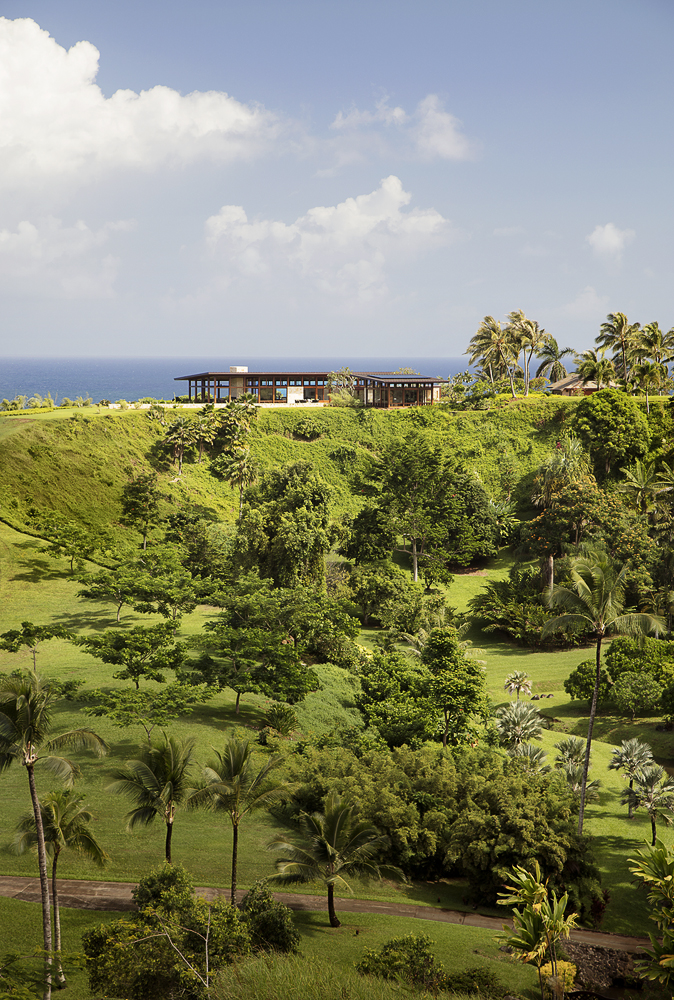
Kalihiwai Ranch. Kauai, Hawaii.

In speaking with Warner, one gets the impression the architect has discovered an agreeable balance between dreaming and doing. His thoughtful observations arrive as naturally and leisurely as the tide. As one half of the firm’s Walker Warner Architects namesake (the other being founding partner, Brooks Walker), the soft-spoken Warner might elucidate calmly about the architectural history of the Hawaiian islands, but the depths of his understanding of Hawaii’s unique landscape and lifestyle are most evident in observing the exacting details his projects reveal in immediacy, and more importantly, over a span of time. The endemic materials, forms, and solutions Walker’s work integrates reveals a mind intimately attuned to the landscape…someone who understands to swim out with the current, rather than against it.

In continuation of an introductory conversation begun at Worthshop in Oahu, followed by our spotlight of the Hale Nukumoi Residence, we reconnected with Greg Warner to discuss what it means to design homes on the islands.

Kalihiwai Ranch. Kauai, Hawaii.

How does one reconcile your rural childhood – growing up on a ranch on Oahu – with the quietly innovative modern design Walker Warner Architects is known for?

Growing up in a rural context with an agrarian/ranching overlay has definitely shaped my personal design point-of-view and sensibilities. I am often attracted to buildings that convey an honest, practical sense of purpose—much like those on a working ranch. I suppose this is based on a comfortable familiarity.

Kalihiwai Ranch. Kauai, Hawaii.

On a personal level, I often reference these types of buildings when contemplating the work that we do. That said, when tapping into the collective design pool at Walker Warner Architects, it has generally been our intention to “lean forward” in terms of design and innovation, without falling into stylistic trends. I appreciate the way you have described our work as quietly modern. This seems appropriate to me.

Kalihiwai Ranch. Kauai, Hawaii.

In the reflection of this process of “leaning forward”, how would you say your work has evolved over time?

Generally speaking, we have much more self confidence in our design thinking relative to Hawaii. Early on, we tended to “follow the rules” for residential design there. Now, I like to say that we “break the rules,” challenging ourselves—and our clients—to take advantage of the unique context and opportunities available there.

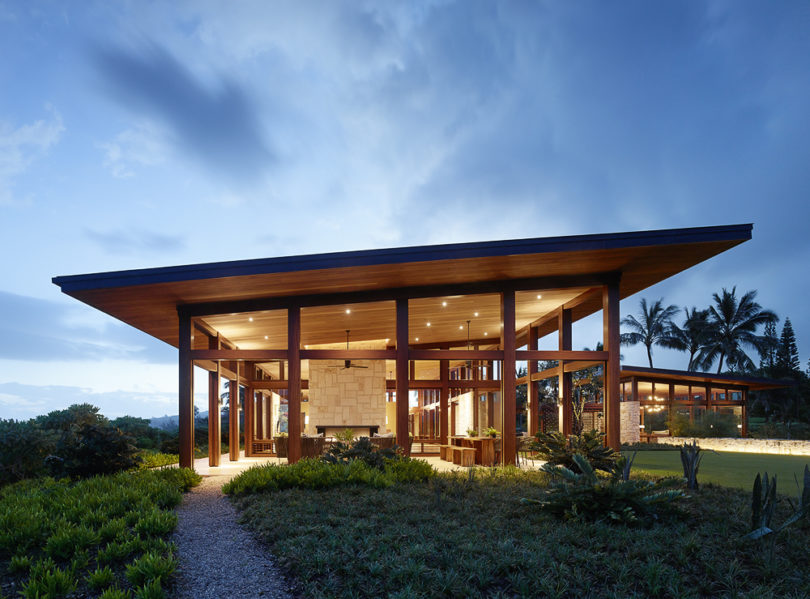
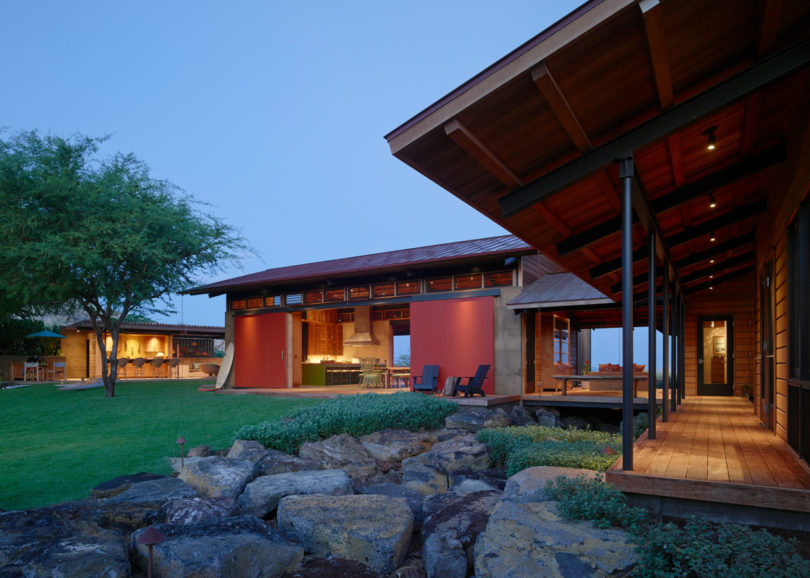
Kahua Kuili Project on the Big Island Hawaii, Hawaii. Interior Designer: Philpotts Interiors. Landscape: David Y. Tamura Associates. Builder: Maryl Construction. Photography: Matthew Millman

The Kahua Kuili project unfolds first from a distance as a seemingly wide singular sight/site, only to reveal itself as an intimate architectural camp. Is the intent to work outward and low rather than vertically for this reason? Or was this a site specific solution?

Referencing the ranch “camp” early on shaped the conceptual layout of the project, especially in terms of its informality and the arrangement of buildings. We felt the need to create a comfortable “common ground” with respect to scale, especially in comparison to the vastness of the surrounding landscape. To be sure, we wanted the architecture to subside in respect to its proximity to and act as if it were in the shadows of the adjacent Kuili (the dominant cinder cone).

Kahua Kuili Project on the Big Island Hawaii, Hawaii reveals an arrangement of structures forming a family compound inspired by hale—traditional Hawaiian houses.

This project, in particular, is steeped in the rural vernacular of simple utilitarian ranch buildings that are stripped of fanciness and are at their core quiet. Like most ranch buildings, it is not about showing off architecture—it is about how they are arranged. In the tradition of ranching you would put your house where it was protected or you had water. The architecture is subservient to the place. The buildings have a certain arrangement and respond to where they are and the grouping of the buildings gives the sense of that overall common place.

Kahua Kuili Project on the Big Island Hawaii, Hawaii.

Beyond weathering the elements, what are the biggest challenges of designing residential architecture intended for island living versus the mainland?

As an opportunity, but also as a challenge, I would say we need to think carefully about how buildings live or function differently in Hawaii vs. the Mainland. Many of the programmatic needs are significantly different. In many ways, living in Hawaii allows for simplification and we often have to challenge ourselves to edit-away the un-needed program.

Kahua Kuili Project on the Big Island Hawaii, Hawaii.

Due to the climate, salt air and humidity, you have to use fairly robust materials and how you care for precious materials can be challenging. We tend to use more raw concrete, steel and woods that can become weathered and sun kissed, so you don’t worry as much about a certain luster.

Pertaining to color and material, it has certainly been an interesting exercise to come up with a palette that seems appropriate and contextual. At the end of the day, everything is sun drenched in Hawaii, so you have to come to terms with that. The goal is to create architecture that feels like it has been there a long time and belongs there.

Kahua Kuili Project on the Big Island Hawaii, Hawaii.

When we last sat down after your panel talk at Worthshop, you mentioned the prevalence of plantation-style residential design as the desired architectural vernacular on the islands. How are you able to steer clients into adopting a more modern approach aligned with progression, rather than stasis?

Mostly by example I suppose, which has taken some time to fulfill. We often reference the works of Vladimir Ossipoff in Hawaii as examples of successful modern architecture there. We have also been deliberate in seeking out clients that have an interest and appetite for contemporary architecture.

Kahua Kuili Project on the Big Island Hawaii, Hawaii.

What do you believe Ossipoff did correctly then that still pertains to today?

Ossipoff had an environmental sensibility about how buildings breathe—his buildings were open and less traditional in their compartmentalization. The Liljestrand House in Honolulu is the most famous one that he’s known for. There are parts and pieces of other buildings like the Davies Memorial Chapel at Hawaii Preparatory Academy on the Big Island and the Outrigger Canoe Club in Waikïkï, which do not appear to have a lot of walls, creating a dramatic fusion between the indoors and outdoors, that speak to modernity in Hawaii. His work points to why you do certain things because of the region.

Hawaii is a bit of a melting pot, and people there are more open minded—they are open to good design and execution—they just often have to experience it to get it.

Kahua Kuili Project on the Big Island Hawaii, Hawaii.

Looking forward, do you believe Hawaiian architecture will progress beyond the trappings of its past?

I think Hawaii is certainly open to modernity, assuming it is done well and with a bit of humility. Generally speaking, I think Hawaii desperately needs more good design and there is plenty of room for how this is translated—whether it is a more modern or a more traditional depiction. Our work gives people an example to reference on the island. People are looking for something different and, generally speaking, people are more aware of good design as it relates to everything – from their house to their car.

Kalihiwai Ranch. Kauai, Hawaii.


from Design MilkDesign Milk https://design-milk.com/interview-greg-warner-walker-warner-architects/

Terp Upholstered Tables and Poufs Inspired by Dutch Mounds

Terp Upholstered Tables and Poufs Inspired by Dutch Mounds

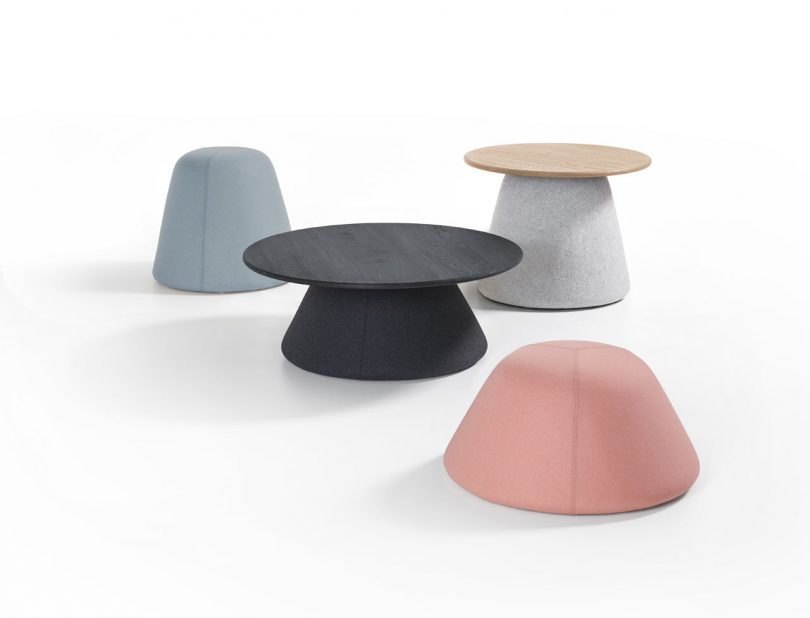
Designed by San Francisco-based Mike & Maaike for Artifort, the Terp Collection is a series of upholstered tables and poufs that can be arranged into a landscape for the home or office. The rounded forms were inspired by Dutch “Terps”, which are man-made mounds created to offer a higher elevation when it rains in the flood-prone areas of The Netherlands.

The sides rise up at a gentle angle to form the rounded tops for comfortable sitting or to hold a solid oak tabletop if you prefer. Terps come in two heights – 32 or 48 cm – and are available with table surfaces in widths of 63, 70, or 100 cm. The stitching at the seams adds a beautiful detail on the upholstery, which comes in a variety of fabric choices.


from Design MilkDesign Milk https://design-milk.com/terp-upholstered-tables-and-poufs-inspired-by-dutch-mounds/

Milan Design Week 2018: Mindful Danish Craft at MINDCRAFT18

Milan Design Week 2018: Mindful Danish Craft at MINDCRAFT18

In a shaded courtyard in a corner of Milan, a gentle breeze and quiet music welcomed the weary Milan Design Week visitor to stop for a while, recharge and take in some Danish craft. The exhibition was entitled MINDCRAFT18. “The Danish crafts and design scene is very strong right now,” says curator Ditte Hammerstrøm. “The participants I have selected are among the very best in their field and able to produce site-specific works for the exhibition venue. They all employ an experimental process and take a unique approach to their materials. As a group, they represent the high level of diversity, innovation and quality that characterizes Danish crafts and design.”

‘Sakyu’ (Japanese for ‘sand dune’) is a pine bench shaped by a CNC (computer numerically controlled) milling machine and hand-finished with Japanese planers and scrapers. “The wavy pattern is based on sine curves, which can be calculated mathematically and are found throughout nature,” says its designer Rasmus Fenhann. “The pattern creates an interesting interplay of light and shade and is reminiscent of the lines made by the waves on a sandy beach or by the wind sweeping the large sand dunes in the Sahara Desert.”

The Botanical Furniture Series incorporates silver-plated brass mirrors set into a wooden frame to reflect their weather and surroundings – in this case, blue sky above an Italian courtyard. The pieces were designed by Lisa Bjerre Schmidt and Sofie Trier Mørk of Wednesday Architecture.

A Family is a series of objects that each turns around a central brass rod hanging from a thread – every one shaped by rotary reduction or addition, using a range of techniques from turning and casting to binding – by furniture designer Kasper Kjeldgaard.

Dissolved Into The Fabric is a hand-knitted sculpture by textile artist Isabel Berglund. Each piece is made with large and small stitches incorporating added lengths of waxed cotton string and hiding an internal metal frame.

Gitte Jungersen is the ceramicist behind All Is Flux, two objects made of a combination of black-blue ceramic glazes poured into a rectangular mold, heated to 1280 degrees so the glazes boil and bubble, and then quickly cooled to capture the form. “Different minerals in the glazes react differently to the temperature changes, creating a new compound material with a complex tactility,” says Gitte.

Half Pieces by sculptor and designer Carl Emil Jacobsen comprises six objects hand-molded from fiber-reinforced concrete around a central core of polystyrene and steel. The pieces are then painted with pigments extracted from cliffs of Danish island Mors.

LMA (‘Lick My Ass’) is a chair by artist-designer partnership Pettersen & Hein, known for their explorations of the boundaries between art and design. They describe this piece as a ‘chair sculpture’ and it is made of cast pigment-dyed concrete, iron and aluminum pieces which lock together like toy building blocks.

‘Field of Flowers (Long Winter Poem)’ by Louise Campbell is made from lino paper she printed by hand, which she then cut, folded and assembled – all by hand. Its water-resistant finish happily wasn’t put to the test by the Milanese weather.

Architect Kevin Hviid’s Billy bench was inspired by a cactus and incorporates a two-person seat on each side, providing seating for four, and is made from wood and TIG-welded steel.

Aurora Borealis by knit designer Iben Høj is a knitted sculpture suspended from a flexible acrylic rod to maximize its movement in the breeze – it even includes glow-in-the-dark fibers so that it lives up to its name at night.


from Design MilkDesign Milk https://design-milk.com/milan-design-week-2018-mindful-danish-craft/